


Address:
1701 5th Ave
Central City, NE 68826

Why Is My Cat Hiding More Than Usual? Signs It May Be a Health Issue
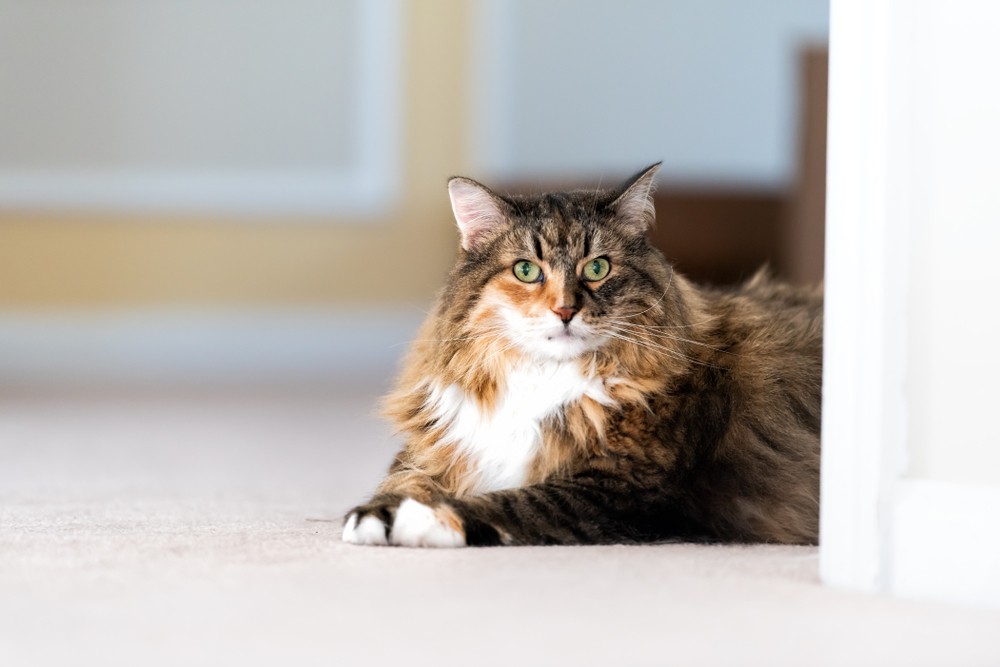
Cats are naturally private animals, so it is normal for them to enjoy quiet spaces. However, if your cat is hiding more than usual, avoiding family members, or spending long periods under furniture or in closets, it may be more than a personality quirk. At Central City Veterinary Clinic, we help cat owners in Central City, NE understand when behavior changes may point to an underlying health issue.
Why Cats Hide When They Do Not Feel Well
Cats often hide discomfort because it is part of their survival instinct. In the wild, showing weakness can make an animal vulnerable, so many cats instinctively become quiet or withdrawn when something feels wrong. For indoor cats, this may look like sleeping in unusual places, avoiding interaction, or resisting being picked up.
Hiding can be related to stress, pain, illness, injury, dental discomfort, digestive issues, urinary problems, or changes in vision or hearing. Because cats may not show obvious symptoms right away, a change in behavior can be one of the first signs that your cat needs veterinary care.
Signs Your Cat’s Hiding May Be Health Related
If your cat is suddenly hiding in your Central City home, it is important to look for other changes in their routine. Even small differences can help us understand what may be going on.
Watch for signs such as:
- Eating less or refusing food
- Drinking more or less water than usual
- Vomiting, diarrhea, or constipation
- Urinating outside the litter box
- Limping, stiffness, or trouble jumping
- Hissing, growling, or acting more sensitive when touched
- Weight loss or a dull coat
- Less grooming or overgrooming one area
- Coughing, sneezing, or changes in breathing
If any of these symptoms appear with increased hiding, we recommend scheduling an exam as soon as possible.
Stress Can Also Cause Cats to Hide
Not every hiding behavior is caused by illness. Cats can also retreat when they are stressed by changes at home. A new pet, visitors, loud noises, moving furniture, schedule changes, or construction can make a cat feel unsettled.
Still, stress and medical problems can look very similar. For example, a cat with a urinary issue may hide and avoid the litter box, while a stressed cat may do the same. That is why a veterinary exam is helpful when the behavior is new, intense, or ongoing.
When To Schedule A Veterinary Exam
If your cat hides for a few hours after a stressful event and then returns to normal, it may not be an emergency. But if your cat continues hiding for more than a day, refuses food, seems painful, or acts unlike themselves, it is time to contact our veterinary team in Central City, NE.
A thorough exam allows us to check your cat’s overall health, look for pain or illness, and recommend next steps based on their symptoms. Depending on what we find, we may discuss diagnostic testing, treatment options, or changes at home to help your cat feel more comfortable.
Helping Your Cat Feel Safe At Home
While waiting for your appointment, avoid forcing your cat out of their hiding spot unless they need urgent help. Keep food, water, and a litter box nearby, and give them a quiet space away from noise or other pets. Take note of when the hiding started and any changes in appetite, litter box habits, energy, or behavior so we can better understand the full picture.
If your cat is hiding more than usual or showing signs that something may be wrong, contact Central City Veterinary Clinic in Central City, NE by calling (308) 946-3028.
© 2025 Central City Veterinary Clinic. All rights Reserved - Accessibility Statement - Privacy Policy - Sitemap
Powered by
