
Address:
1701 5th Ave
Central City, NE 68826

Small Ruminant Care in the Fall: Preparing Sheep and Goats for Colder Nebraska Weather
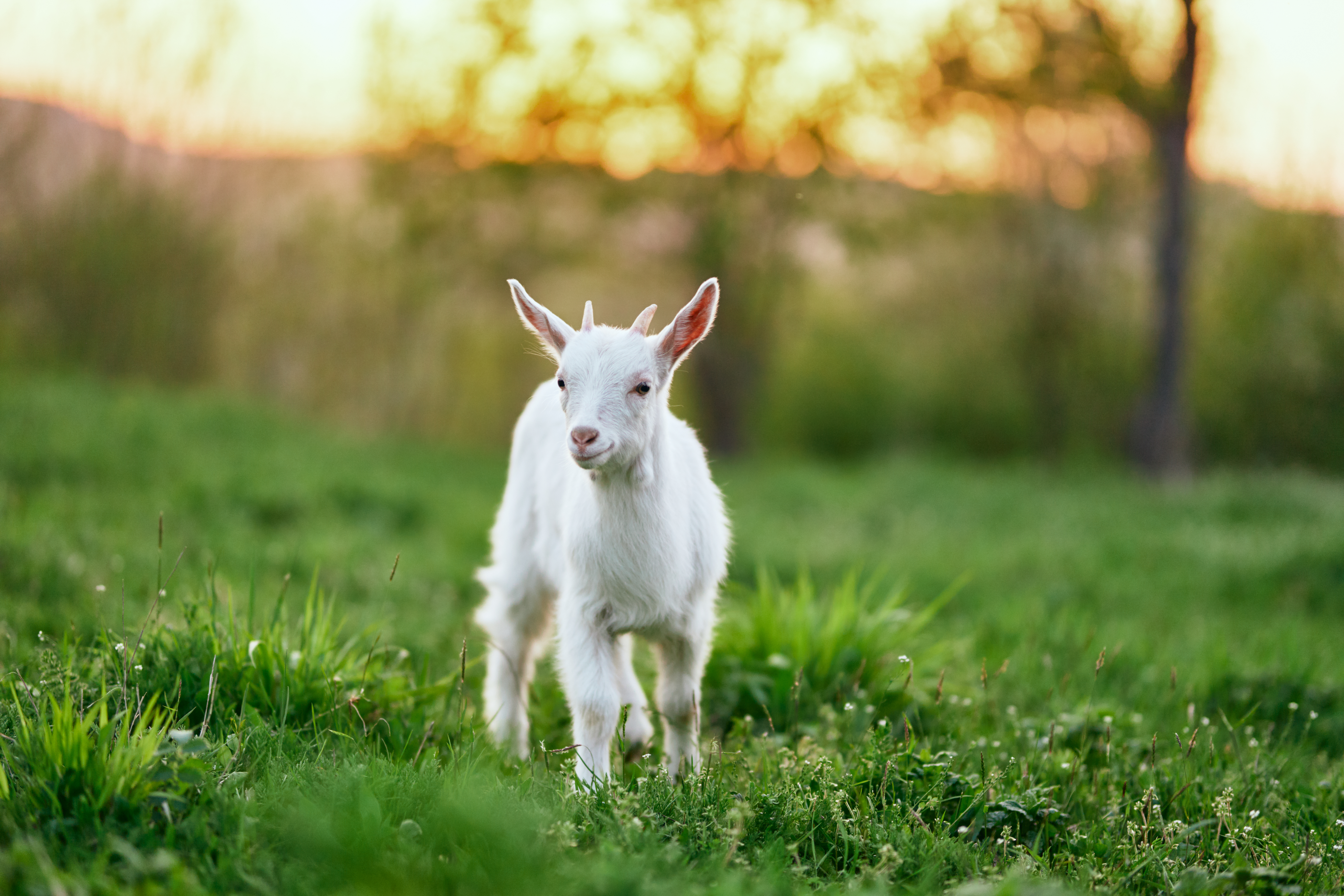
Fall is an important transition period for sheep and goats. As Nebraska temperatures drop and winter approaches, changes in nutrition, shelter, water access, and herd health can affect how well small ruminants handle colder conditions. Preparing early gives producers an opportunity to address health concerns before winter weather makes management more difficult.
Check Body Condition Before Winter
Sheep and goats use additional energy to maintain body temperature during cold weather, making adequate body condition important heading into winter. Animals that are already underweight may have a harder time maintaining condition once temperatures fall.
Fall is a good time to assess individual animals and adjust feeding plans when necessary. Nutritional needs vary depending on age, pregnancy status, stage of production, forage quality, and overall health. Changes should be made gradually to reduce digestive problems.
Review Fall Nutrition and Water Access
Quality forage typically forms the foundation of a small ruminant feeding program. Producers should evaluate available pasture and stored forage as grazing conditions change throughout the fall.
Important areas to monitor include:
- Adequate forage quantity and quality
- Appropriate mineral supplementation for the species
- Clean, accessible water that does not freeze
- Body condition and changes in weight
- Increased nutritional needs during pregnancy or lactation
Sheep and goats have different mineral requirements, so supplements should be selected specifically for the animals being fed. For example, sheep are particularly sensitive to excessive copper.
Provide Protection From Cold, Wind, and Moisture
Healthy sheep and goats can tolerate cold temperatures reasonably well when they are dry, well-fed, and protected from harsh conditions. Wet coats, strong winds, and muddy areas can make it much harder for animals to maintain body temperature.
Shelters should provide protection from wind and precipitation while maintaining adequate ventilation. Bedding should be kept reasonably clean and dry, particularly for young, older, thin, or otherwise vulnerable animals.
Address Parasites, Hooves, and Overall Health
Fall is also an opportunity to evaluate the general health of a flock or herd. Hoof problems, lameness, parasite burdens, dental concerns, or other conditions can become more challenging when animals are dealing with colder weather and increased nutritional demands.
Regularly watch for changes in appetite, body condition, stool consistency, movement, breathing, and behavior. Animals separating themselves from the group, losing weight, or showing signs of illness should be evaluated promptly.
Review Vaccination and Preventive Care
Preventive veterinary care should be tailored to each flock or herd rather than following a one-size-fits-all schedule. Vaccination needs may depend on age, reproductive status, disease risks, management practices, and previous health history.
Working with a veterinarian can help producers determine which preventive measures, examinations, and management strategies make sense before winter. Establishing a plan in the fall can also make it easier to identify problems early and prepare higher-risk animals for colder conditions.
For guidance on preparing your sheep or goats for colder weather, schedule a small ruminant veterinary visit with Central City Veterinary Clinic in Central City, NE at (308) 946-3028.
© 2025 Central City Veterinary Clinic. All rights Reserved - Accessibility Statement - Privacy Policy - Sitemap
Powered by
